Only curious? Unlock 1-Month Premium Free Trial Plan!
Project News Details

Title:
South Sudan - Institutional Support Project for Strengthening Economic Governance
Detail:
Oil revenue accounts for more than 98% of public revenue, making South Sudan’s economy largely dependent on oil; hence a need to expand and diversify the non-oil revenue base, especially considering the potential from other revenue sources such as agriculture and animal products, forestry, mining, industry, trade, and tourism. The country started building its government institutions from a low base only less than a decade ago following3 independence in 2011. Since then, some progress has been achieved, as core administrative structures and mechanisms of political representation have been set up. Unfortunately, the decade of conflict in South Sudan has destroyed both human and institutional capacities across governance functions, including generation and management of statistics as a basis for accountability and evidence-based policy decision making in government, the private sector, as well as the non-government organizations. In addition, at independence, the country did not have adequate governance and institutional structures to efficiently manage its financial, economic and natural resources and formulate sound policies. Weak institutional capacities both at the national and state levels have been identified as being at the centre of the country’s failure to sustain peace. Identified challenges include (i) inadequate and lack of disaggregated economic and social data; (ii) incomplete or absence of legal frameworks (i.e., laws and regulations); (iii) inadequate institutional and human capacity; and (iv) inadequacy in policy, strategy and plan for various sector ministriesiii. This has resulted in shortcomings in economic policy planning, formulation and implementation; gender and regional imbalanced public services delivery; poor institutional coordination; limited transparency and accountability frameworks for economic governance; weak resources mobilization; and inefficient public spending and monitoring/oversight. The project primarily contributes to climate adaptation results. As such, 20% of the total approved amount is attributed as climate finance, of which 1.3 million USD is dedicated to adaptation.
Country:
 South Sudan
Source:
African Development Bank Group
Published Date:
08.11.2022
URL:
Regions:
Project News Details
| Title |
South Sudan - Institutional Support Project for Strengthening Economic Governance |
|||
|---|---|---|---|---|

3 Month Special Offer — Get 1 Month FreePay for 2 months, use 3 months. Unlimited premium access. |
||||
| Detail |
Oil revenue accounts for more than 98% of public revenue, making South Sudan’s economy largely dependent on oil; hence a need to expand and diversify the non-oil revenue base, especially considering the potential from other revenue sources such as agriculture and animal products, forestry, mining, industry, trade, and tourism. The country started building its government institutions from a low base only less than a decade ago following3 independence in 2011. Since then, some progress has been achieved, as core administrative structures and mechanisms of political representation have been set up. Unfortunately, the decade of conflict in South Sudan has destroyed both human and institutional capacities across governance functions, including generation and management of statistics as a basis for accountability and evidence-based policy decision making in government, the private sector, as well as the non-government organizations. In addition, at independence, the country did not have adequate governance and institutional structures to efficiently manage its financial, economic and natural resources and formulate sound policies. Weak institutional capacities both at the national and state levels have been identified as being at the centre of the country’s failure to sustain peace. Identified challenges include (i) inadequate and lack of disaggregated economic and social data; (ii) incomplete or absence of legal frameworks (i.e., laws and regulations); (iii) inadequate institutional and human capacity; and (iv) inadequacy in policy, strategy and plan for various sector ministriesiii. This has resulted in shortcomings in economic policy planning, formulation and implementation; gender and regional imbalanced public services delivery; poor institutional coordination; limited transparency and accountability frameworks for economic governance; weak resources mobilization; and inefficient public spending and monitoring/oversight. The project primarily contributes to climate adaptation results. As such, 20% of the total approved amount is attributed as climate finance, of which 1.3 million USD is dedicated to adaptation.
|
|||
| Country | ||||
| Source |
African Development Bank Group
|
|||
| Regions | ||||
| Sectors | ||||
| Published Date |
08.11.2022
|
|||
| Original Url | ||||
| Share | ||||
| Title |
|---|
South Sudan - Institutional Support Project for Strengthening Economic Governance |
| Detail |
| Oil revenue accounts for more than 98% of public revenue, making South Sudan’s economy largely dependent on oil; hence a need to expand and diversify the non-oil revenue base, especially considering the potential from other revenue sources such as agriculture and animal products, forestry, mining, industry, trade, and tourism. The country started building its government institutions from a low base only less than a decade ago following3 independence in 2011. Since then, some progress has been achieved, as core administrative structures and mechanisms of political representation have been set up. Unfortunately, the decade of conflict in South Sudan has destroyed both human and institutional capacities across governance functions, including generation and management of statistics as a basis for accountability and evidence-based policy decision making in government, the private sector, as well as the non-government organizations. In addition, at independence, the country did not have adequate governance and institutional structures to efficiently manage its financial, economic and natural resources and formulate sound policies. Weak institutional capacities both at the national and state levels have been identified as being at the centre of the country’s failure to sustain peace. Identified challenges include (i) inadequate and lack of disaggregated economic and social data; (ii) incomplete or absence of legal frameworks (i.e., laws and regulations); (iii) inadequate institutional and human capacity; and (iv) inadequacy in policy, strategy and plan for various sector ministriesiii. This has resulted in shortcomings in economic policy planning, formulation and implementation; gender and regional imbalanced public services delivery; poor institutional coordination; limited transparency and accountability frameworks for economic governance; weak resources mobilization; and inefficient public spending and monitoring/oversight. The project primarily contributes to climate adaptation results. As such, 20% of the total approved amount is attributed as climate finance, of which 1.3 million USD is dedicated to adaptation. |
| Country |
| Source |
| African Development Bank Group |
| Regions |
| Sectors |
| Published Date |
| 08.11.2022 |
| Original Url |
| View Original Url |
| Share |







Tenders from United States of America

12x18 100\ Opaque Uncoated Cover | Print Services City of Columbus
Organization:
*************** 
Country:
 United States of America
United States of America
Deadline:
17.07.2026
INF-2026-0252 | Python Arm for 2023 Autocar ACX 64 City of Houston - Fleet Management Department
Organization:
***************
Country:
United States of America
United States of America
Deadline:
20.07.2026
8528 Trench Shoring Equipment Pennsylvania Emergency Management Agency
Organization:
***************
Country:
United States of America
United States of America
Deadline:
20.07.2026
600**************************************************************************************************************************************
Organization:
***************
Country:
United States of America
United States of America
Deadline:
21.07.2026
600**************************************************************************************************************************************
Organization:
***************
Country:
United States of America
United States of America
Deadline:
21.07.2026
Pol**************************************************************************************************************************************
Organization:
***************
Country:
United States of America
United States of America
Deadline:
21.07.2026
600**************************************************************************************************************************************
Organization:
***************
Country:
United States of America
United States of America
Deadline:
21.07.2026
600**************************************************************************************************************************************
Organization:
***************
Country:
United States of America
United States of America
Deadline:
22.07.2026
Wir**************************************************************************************************************************************
Organization:
***************
Country:
United States of America
United States of America
Deadline:
22.07.2026
WQA**************************************************************************************************************************************
Organization:
***************
Country:
United States of America
United States of America
Deadline:
24.07.2026
600**************************************************************************************************************************************
Organization:
***************
Country:
United States of America
United States of America
Deadline:
24.07.2026
Ion**************************************************************************************************************************************
Organization:
***************
Country:
United States of America
United States of America
Deadline:
24.07.2026
Sci**************************************************************************************************************************************
Organization:
***************
Country:
United States of America
United States of America
Deadline:
28.07.2026
The**************************************************************************************************************************************
Organization:
***************
Country:
United States of America
United States of America
Deadline:
28.07.2026
Plc**************************************************************************************************************************************
Organization:
***************
Country:
United States of America
United States of America
Deadline:
03.08.2026
430**************************************************************************************************************************************
Organization:
***************
Country:
United States of America
United States of America
Deadline:
05.08.2026
RFP**************************************************************************************************************************************
Organization:
***************
Country:
United States of America
United States of America
Deadline:
11.08.2026
Res**************************************************************************************************************************************
Organization:
***************
Country:
United States of America
United States of America
Deadline:
25.08.2026
Spa**************************************************************************************************************************************
Organization:
***************
Country:
United States of America
United States of America
Deadline:
25.08.2026
Com**************************************************************************************************************************************
Organization:
***************
Country:
United States of America
United States of America
Deadline:
25.08.2026
 India
India
 Kazakhstan
 Philippines
 Ukraine
 Russia
 Germany
 South Korea
 Ecuador
 China
China
 Czech Republic
 Spain
Spain
 Poland
 France
 Belarus
 Japan
Japan
 Brazil
 Moldova
 Canada
 United Kingdom
 Italy
Italy
 Romania
 Hungary

Latest Articles

Netherlands Tenders 2026: COMPRANET Infrastructure & Energy Bids via Ten...
The Netherlands, a nation renowned for its innovation and robust economy, presents a dynamic public procurement market valued at approximately €73 billion an...

Gambia Tenders 2026: Health & Infrastructure Bids via TendersGo
The Gambia, a nation often called the "Smiling Coast of Africa," is bracing for a significant economic expansion in 2026. This isn't just about tourism; it's...
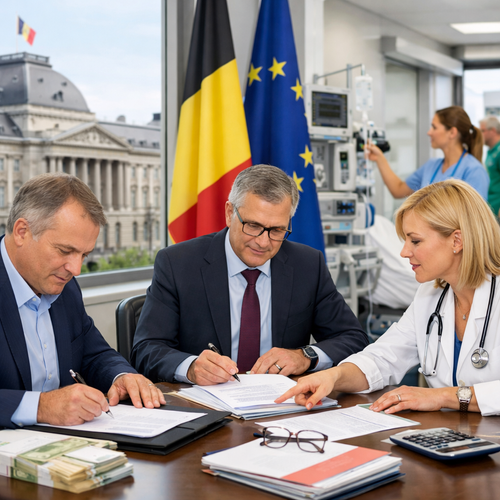
Belgium Approves €1.566B RIZIV Healthcare Budget 2026 After INAMI Vote
The Belgian healthcare sector is poised for a significant year in 2026, following the National Institute for Health and Disability Insurance (INAMI/RIZIV) Ge...

How to Unlock Paraguay's Public Procurement Opportunities: A Guide to DNCP Tenders
Paraguay, often overlooked by some international bidders, presents a vibrant and increasingly transparent public procurement market. Imagine a market where g...

Japan Tenders 2026: Renewable Energy & Road Infrastructure Bids via Tend...
Japan, a nation often at the forefront of technological advancement and sustainable development, presents a compelling landscape for international businesses...
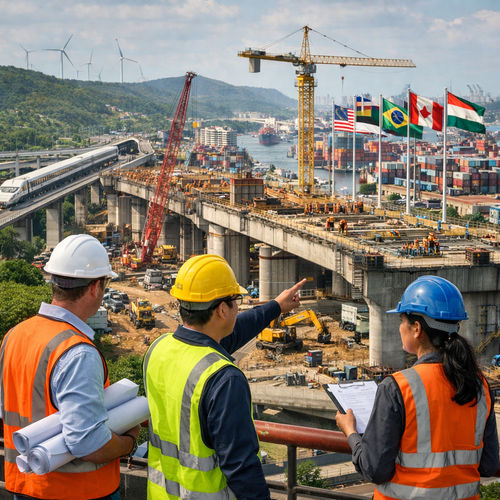
G20 Cross-Border Infrastructure Pipeline Unlocks $200B Private Investment in 2026
The G20 nations are intensifying efforts to bridge significant infrastructure deficits across developing economies, particularly within Africa, by refining s...